
Vibe coding won’t kill SaaS
(It’ll just eat the middle)

Greg Isenberg told 1.3 million people vibe coding is eating SaaS.
Y Combinator says 25% of their Winter 2025 batch built codebases that are 95% AI-generated. The consensus on Twitter: software subscriptions are cooked.


Spent last quarter testing this at Plastic Bank. $500k marketing budget. Some things we built. Some we paid for. Some we lost money on.
Here’s what actually happened when the hype hit our credit card.
The $2,000 social feed
Tuesday afternoon. We needed our Instagram and Facebook feed embedded on the site. Standard marketing stuff - show people we’re active, repurpose content, look alive.
“I can build this,” I said.
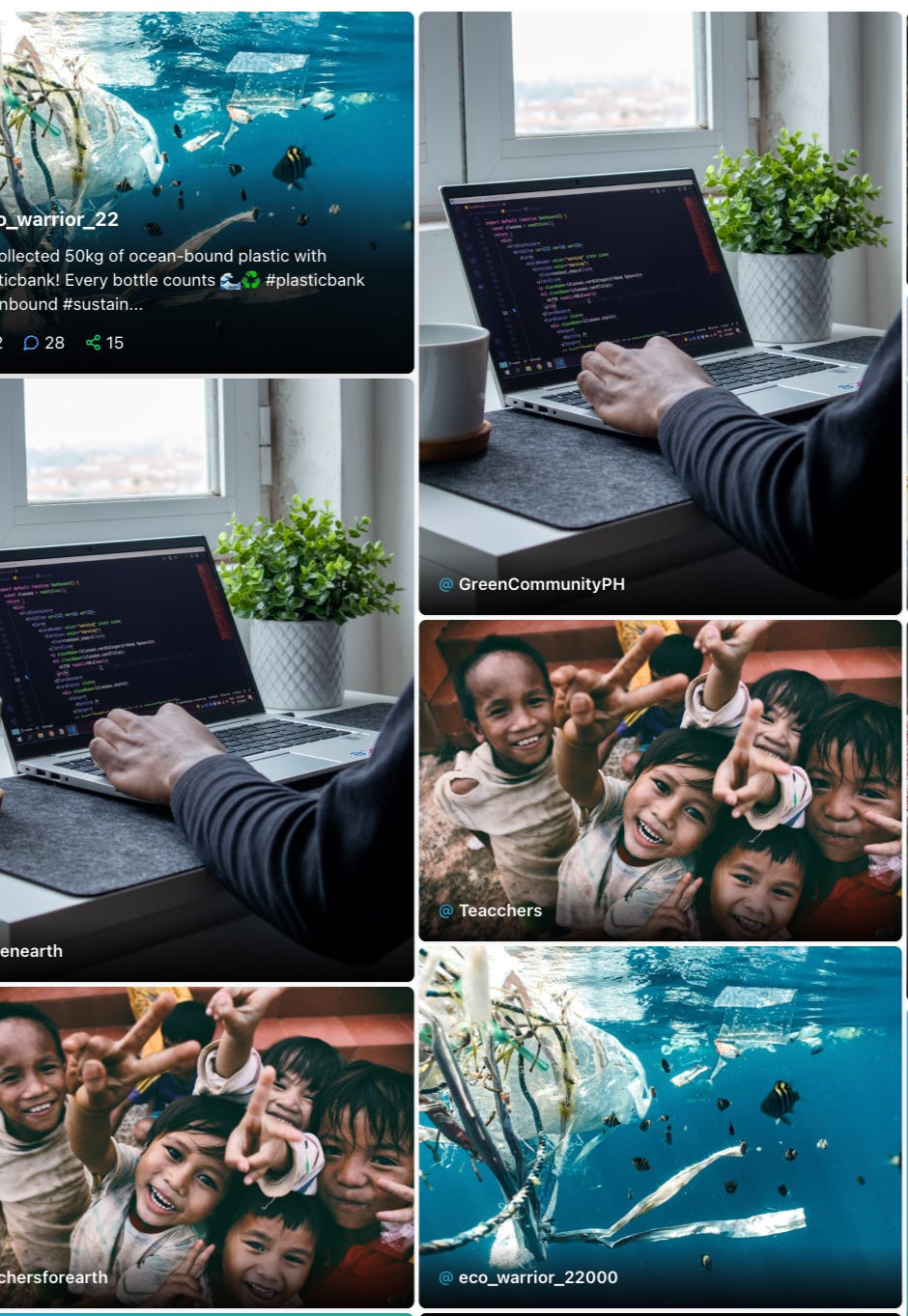
Five hours later: Working prototype. Airtable for management, Meta API pulling the feed, Vercel deployment, WordPress plugin. Claude Code doing the heavy lifting. Got it to 90%.
That last 10% though.
API rate limits when someone posts too fast. Authentication tokens expiring. The plugin breaking when someone on the team renames an Airtable field because they thought it looked better in lowercase.
Quick math: My time ($2k). Integration maintenance. Claude credits. Hosting costs over a year.
We’d need to run Curator for 7 years before this made financial sense.
Paid Curator $23/month. Set it up that afternoon instead.
Maybe I’m just bad at this. Or maybe some software is too cheap to justify the complexity of owning it.
The $3,000 landing page
Unbounce was costing us $250/month and I hated it.
Not because it doesn’t work. Because every landing page looked like “us, but wearing someone else’s clothes.” Their templates don’t support our custom fonts. Every CTA button was close but not quite right. Professional, but generic.
We’re a brand-first company. That mattered.
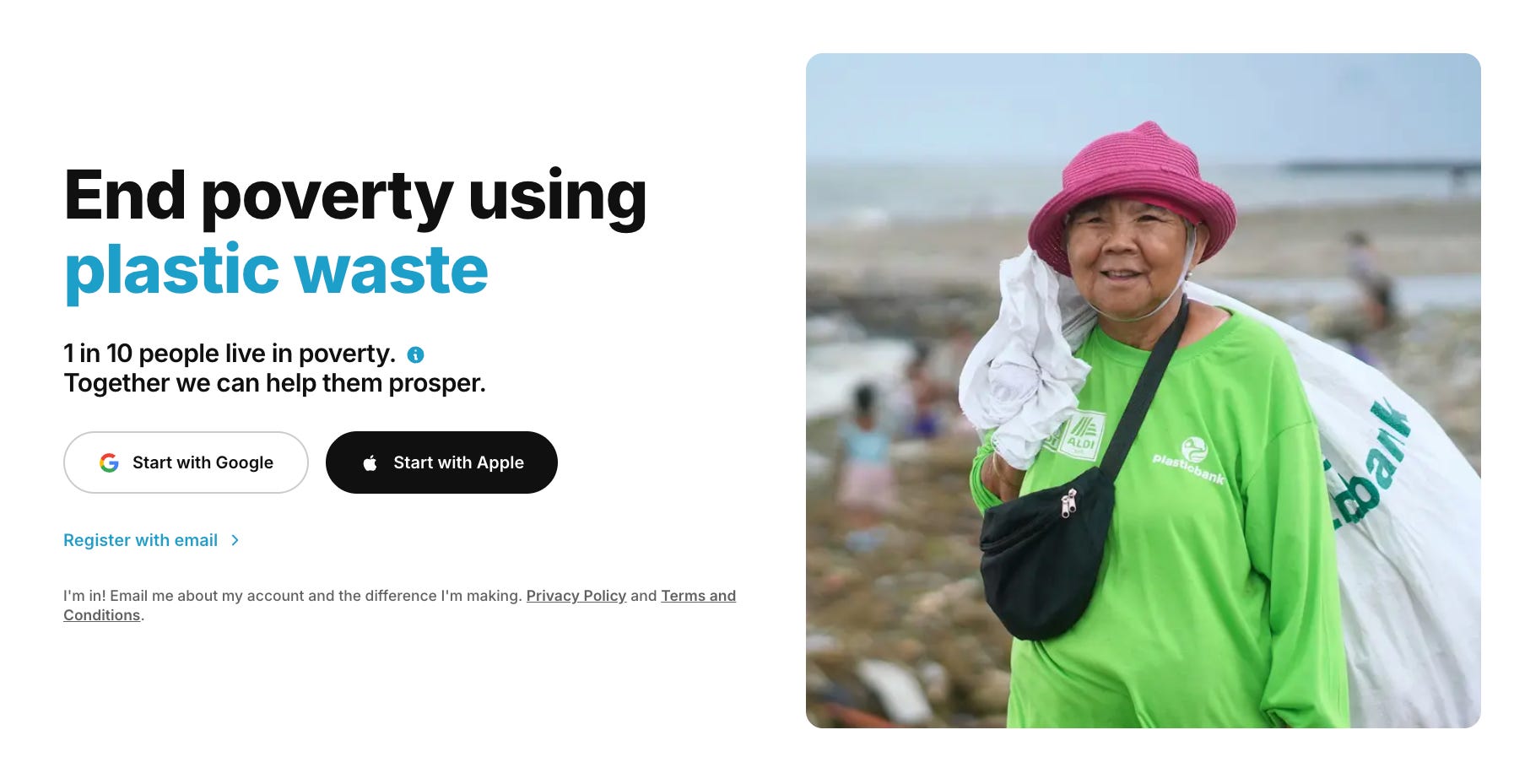
Built join.plasticbank.com over two days. Nine hours total. NextJS, React, exact color values from our brand guide. Connected to PostHog, Google Analytics, Tag Manager. Everything feeding into our dashboards.
Total cost to replace Unbounce for the year: about $3,000 in my time.
This one we kept.
The difference? We’re web developers. Landing pages are core to what we do. And that $250/month was friction - every time we wanted to update copy or test a new layout, we had to fight their builder.
Owning it completely changed the deployment speed.
Test something Tuesday morning. Live by lunch.
Worth it.
The email platform nobody needed
Mailchimp: $490/month.
For what? Email sending. Landing page builders we’d already replaced. E-commerce integrations we’ve never used. A branding toolkit we’d built custom. CRM features that didn’t talk to our actual CRM.
We were paying for 15 features to use 2.
Loops: $199/month. Just email. That’s it.
[Screenshot placeholder: Comparison table]
Mailchimp vs Loops Performance:
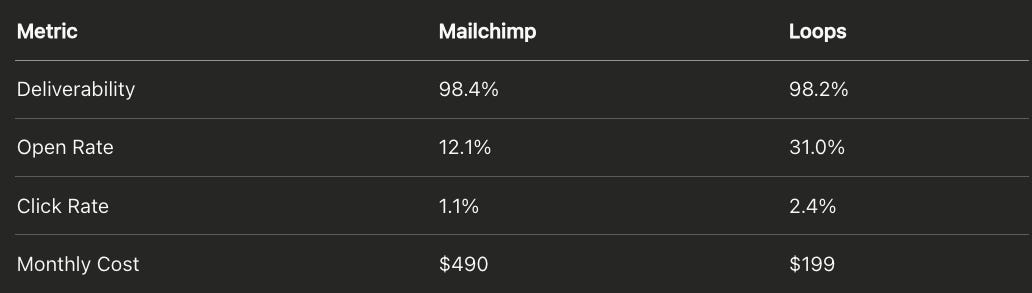
The open rate jump surprised us. Same audience. Same sending patterns. Better performance for less than half the price.
Why?
Loops isn’t trying to be a marketing platform. It’s just really good at email.
That focus matters more than we expected.
What’s actually happening
Vibe coding isn’t killing SaaS uniformly.
It’s exposing the middle.
Too cheap? ($20-50/month) Not worth your time. Even with AI, the maintenance cost exceeds the subscription. Just pay it.
Mid-tier and replaceable? ($200-1000/month) Dead zone. If it’s doing one thing and you have basic dev skills, you can probably rebuild it. Landing pages, form builders, basic workflow tools - all vulnerable.
Mid-tier but best-in-class? Survives. When a tool does one thing exceptionally well, rebuilding it means rebuilding years of edge cases and refinements. The “good enough” version you vibe code isn’t actually good enough.
Enterprise and integrated? Untouchable. Yes, you could technically rebuild Salesforce. But it’s so deep in your systems that the switching cost is the product. The integration IS the moat.
The companies freaking out about vibe coding? They should be.
But not because “AI will replace all software.”
Because vibe coding reveals which products were only surviving on switching costs, not actual value.
Your $500/month tool gets rebuilt in a weekend and works just as well?
You were already in trouble.
The line I can’t find
Still don’t know where the threshold actually is.
$23/month Curator = obvious. Too cheap to justify the time.
$250/month Unbounce = obvious for us. We’re web developers and landing pages are core work.
But what about that analytics tool at $180/month? The automation platform at $350 that saves maybe 8 hours monthly?
The math keeps shifting because AI keeps accelerating.
Today’s “5 hours to build” might be next month’s “45 minutes to build.” Which completely changes the equation.
And then there’s this: Guy vibe coded his entire SaaS. Zero hand-written code. Got hacked within days. API keys exposed in client-side code. Database corrupted. “I’m not technical so this is taking me longer than usual to figure out.”

That’s the hidden cost nobody talks about.
Building it fast isn’t the same as building it right.
The real question
Yes, you can vibe code a Salesforce replacement. Some founder somewhere is doing it right now.
Should you though?
Your competitive advantage isn’t building software. It’s solving customer problems faster than anyone else.
Every hour maintaining your vibe-coded CRM is an hour not spent on that.
The companies winning aren’t building everything themselves. They’re knowing exactly which 3 tools to build and which 47 to just pay for.
Vibe coding didn’t kill SaaS.
It just raised the bar for what “worth paying for” actually means.